

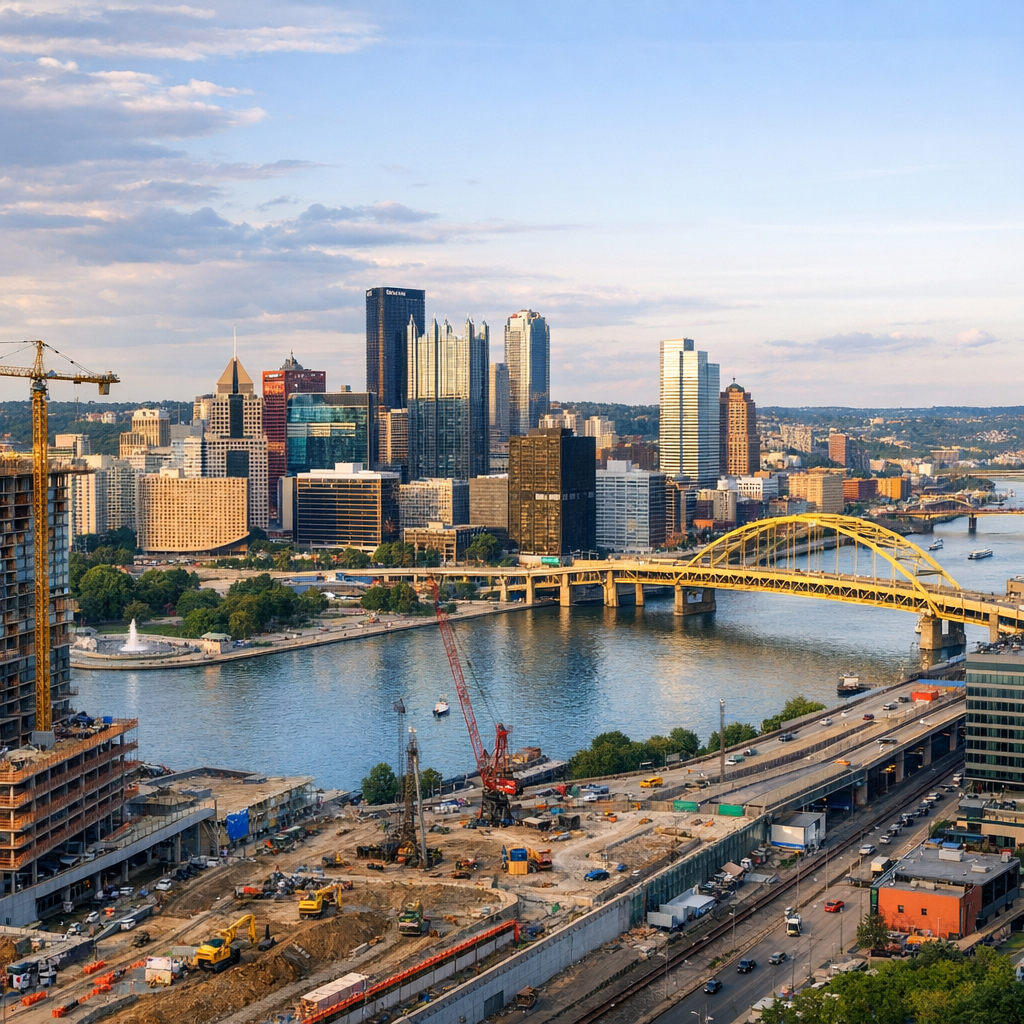
Pittsburgh’s housing landscape is undergoing significant transformations, presenting both challenges and opportunities for residents and prospective homebuyers. Understanding these shifts is crucial for making informed decisions in the current market.
Current Market Trends
Recent data indicates a nuanced picture of Pittsburgh’s housing market. As of March 2026, the median sale price for homes stood at $240,000, marking a 4.3% increase from the previous year. Homes are taking longer to sell, averaging 103 days on the market compared to 96 days last year. Additionally, the number of homes sold in March decreased to 197 from 217 the previous year.
Contrastingly, Zillow reports a slight decline in home values, with the average home value at $237,533, down 0.4% over the past year. Homes are going pending in approximately 30 days.
Rental Market Dynamics
The rental sector in Pittsburgh is experiencing upward pressure. Between February 2025 and February 2026, median rents in the metro area rose by 2.5%, defying the national trend of a 1.5% decline. This increase is particularly noticeable in neighborhoods near hospitals and universities, where demand remains high.
Affordable Housing Initiatives
Addressing the need for affordable housing, the Housing Authority of the City of Pittsburgh (HACP) has committed substantial resources. In December 2025, the HACP Board approved a $28.53 million investment in Moving to Work funds for various projects slated for FY 2026. These include the redevelopment of Bedford Dwellings in the Hill District and Allegheny Dwellings, among others.
Additionally, Mayor Ed Gainey announced funding for six transformative housing developments across neighborhoods such as Fairywood, Carrick, Hazelwood, Brighton Heights, and Downtown Pittsburgh. These projects aim to drive new development, reduce blight, and revitalize communities.
Notable Development Projects
Several significant development projects are reshaping Pittsburgh’s urban landscape:
- The Esplanade Project: A $740 million development in the North Shore’s Chateau neighborhood aims to transform a 15-acre brownfield site. Plans include a 180-foot Ferris wheel, an entertainment district, and 750 housing units, with 20% designated as affordable.
- Market Square Renovation: After a year of construction, Market Square unveiled a $15 million renovation in April 2026. The revamped public space features a new semicircular steel-and-glass pavilion, enhancing its adaptability for markets, celebrations, and public events.
These developments reflect Pittsburgh’s commitment to revitalizing its neighborhoods and providing diverse housing options for its residents.
As Pittsburgh’s housing market continues to evolve, staying informed about these trends and initiatives is essential for those navigating the real estate landscape.