

By Ava Robinson
Pittsburgh residents have many new developments to watch in city policy, public safety, transit, and neighborhood funding. Here’s a close look at what local officials are doing—and what these changes mean for everyday life.
1. New Investments in Emergency Services
To strengthen public safety infrastructure, healthcare giants UPMC and Highmark have pledged a combined $45 million over five years to support Pittsburgh’s fire and EMS services. The funds will be used primarily to replace aging vehicles and equipment. The donation comes amid a city budget that has reopened to address multi-million-dollar gaps. While this is a significant private-sector boost, city leaders still need to plan for long-term financial sustainability without relying solely on external contributions.
2. Transit Ridership Rises, Incentives Unveiled
Pittsburgh Regional Transit (PRT) continues to trend upward. FY2026 ridership across all modes—bus, light rail, and paratransit—has reached its highest level in six years. Weekday ridership in June saw nearly a 10% increase over June 2025. Bus use is driving much of that growth. Transit projects under construction, especially in Uptown and along the University Line, aim to improve travel times, safety, and connections to key neighborhoods.
To encourage more use of public transit, the city has introduced a program offering free monthly passes to 750 downtown city employees. This strategy is part of a larger effort to reduce vehicle congestion, air pollution, and reliance on parking infrastructure.
3. Youth Policy and Public Space Tensions
Recent disputes have emerged around Pittsburgh’s policy requiring chaperones for minors in public downtown areas, particularly after “teen takeovers”—large gatherings of young people—made news. A lawsuit filed by a Homewood resident alleges the chaperone policy violates teens’ rights, including constitutional protections around assembly, equal protection, and due process. Meanwhile, officials argue the policy has helped reduce disruptive behavior and make downtown spaces safer for a wider range of users.
Forums organized in neighborhoods such as Homewood have given young people an opportunity to share how they feel about public surveillance, curfews, and access to free gathering spaces. For many, safety includes both protection from harm and the chance to inhabit public spaces without fear of being policed unfairly.
4. Infrastructure, Funding, and Community Resources
Pittsburgh City Council recently approved budget adjustments including a $500,000 boost for the preliminary design of the PJ McArdle Roadway Bridge, reflecting ongoing investment in bridges and major roadways at no additional cost to the city. In parallel, community-oriented programs got financial backing: $250,000 for youth violence prevention, and grants approved for senior services, public art, and neighborhood parking permits.
In neighborhoods like the Hill District, council-supported reinvestment funds are financing youth development, workforce training, education, and food access programs. These efforts show how city leaders are trying to channel funds into steady, grassroots work that improves quality of life.
What’s Ahead and How Residents Can Engage
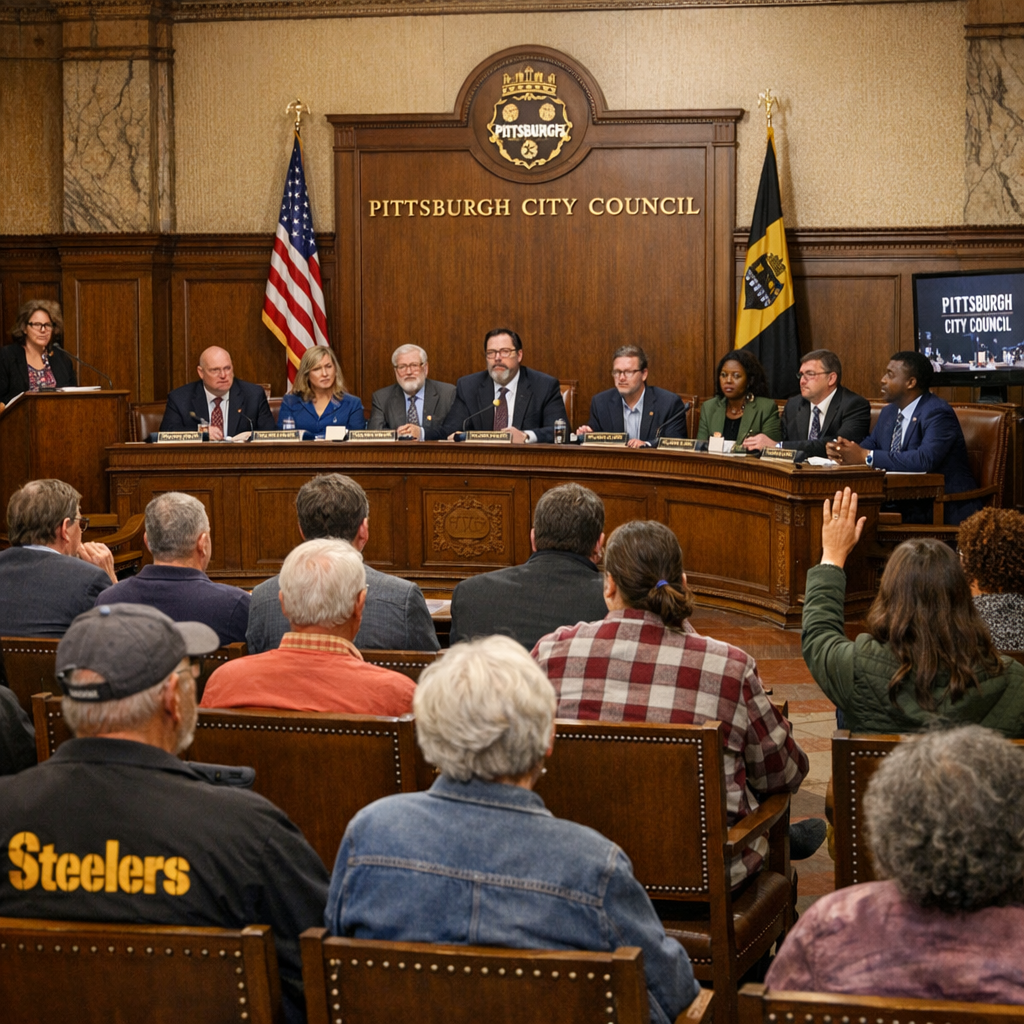
These changes are big—but many are still in early stages. The effects of the transit improvements, youth policy reforms, and funding initiatives will take time, especially in underserved neighborhoods. City planning sessions, public meetings, and budget hearings remain important forums for local input. When possible, residents should stay informed about proposed policies, demand transparency around budgeting, and make use of city programs that aim to provide services directly in neighborhoods.
Pittsburgh is evolving. The current momentum shows promise, but ensuring that growth reaches everyone will take ongoing vigilance, cooperation, and advocacy.